TL;DR:
- Choosing the right residential roofing material depends on your roof slope, climate, structural capacity, and long-term cost considerations. Metal and synthetic options offer superior durability and potential insurance benefits, while tile and slate provide exceptional longevity if properly supported. Proper system installation, including underlayment and flashing, is essential for optimal performance and warranty validity.
Residential roofing materials are the outermost protective layer of your home, and the type you choose determines how well your roof handles weather, fire, and time. The eight primary categories covering most U.S. homes include asphalt shingles, metal roofing, clay and concrete tile, slate, wood shake, flat membrane systems, synthetic roofing, and built-up roofing (BUR). Each type of residential roofing material carries distinct trade-offs in cost, lifespan, weight, and climate suitability. Getting this decision right protects your home for decades and directly affects your insurance rates, maintenance costs, and resale value.
1. Types of residential roofing materials: an overview
The roofing industry organizes home roofing into two broad systems: steep-slope and low-slope. Steep-slope systems cover roofs with a pitch of 2:12 or greater and include the most familiar residential roofing options. Low-slope systems apply to pitches below 2:12 and require membrane-based waterproofing rather than overlapping shingles or tiles.
Understanding this distinction matters before you evaluate any specific material. A product that performs flawlessly on a steep gable roof can fail within years if installed on a nearly flat surface. The sections below walk through each major material category with the details you need to compare them honestly.
Pro Tip: When researching different roofing materials, always confirm the minimum slope requirement for each product before requesting quotes. Contractors who skip this step may install a material that voids the manufacturer warranty on day one.
2. Asphalt shingles
Asphalt shingles are the most widely installed residential roofing option in the United States, and for good reason. They come in three main formats: 3-tab (the thinnest and least expensive), architectural or dimensional (thicker, with a layered appearance), and impact-resistant (designed to withstand hail and high winds).
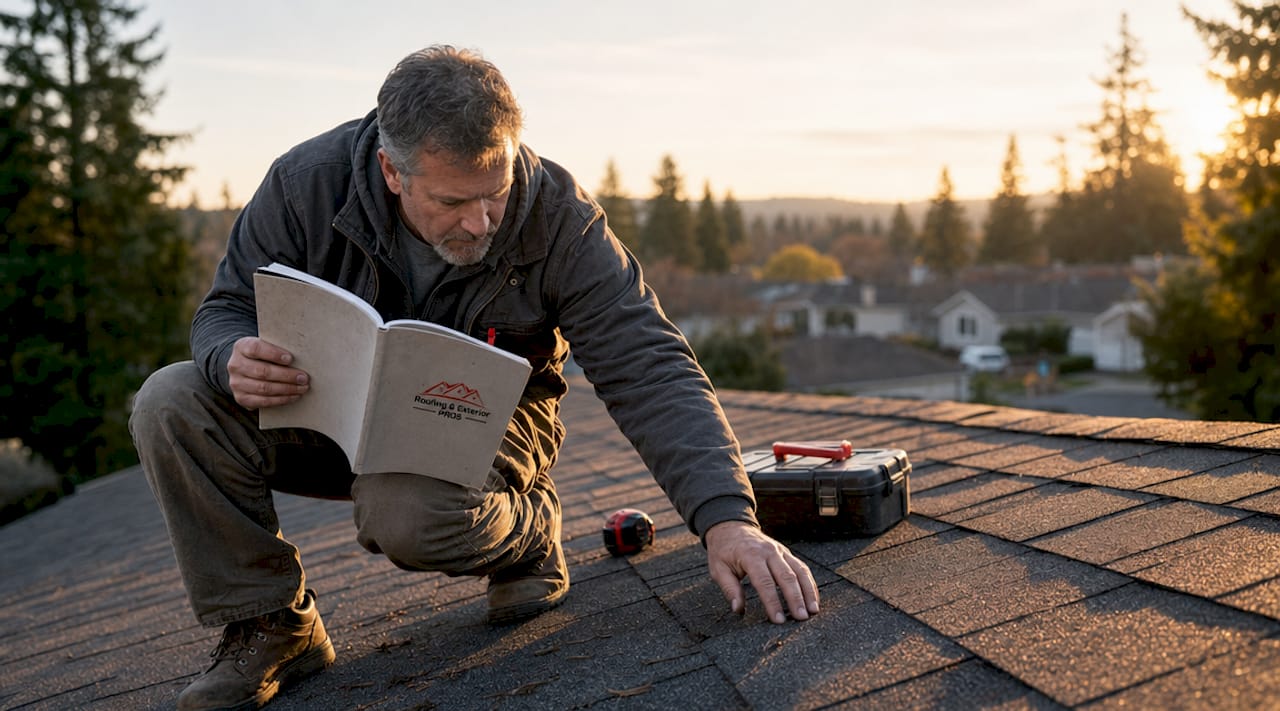
Architectural shingles cost between $4.50 and $7.50 per square foot installed and carry a lifespan of 25 to 30 years. A full asphalt-shingle roof replacement averages about $8,515 nationwide in 2026, ranging from $6,000 to $13,212 depending on home size and roof complexity. That price range makes asphalt the entry point for most homeowners comparing different roofing materials.
One underappreciated advantage of asphalt is localized repairability. Unlike membrane systems that require full-surface attention, a damaged asphalt shingle section can be replaced without touching the rest of the roof. This keeps long-term maintenance costs predictable.
3. Metal roofing
Metal roofing is the fastest-growing residential segment in the market, driven by its longevity and storm resistance. The two most common forms are standing-seam panels and metal shingles. Standing-seam metal features interlocking raised seams that shed water and snow efficiently, making it a strong choice in regions with heavy precipitation or wildfire risk.
Standing-seam metal costs between $10 and $18 per square foot installed and lasts 40 to 70 years. Metal shingles offer a similar lifespan at a slightly lower price point while mimicking the look of traditional shingles or slate. Both formats earn a Class A fire resistance rating when properly assembled, which can reduce homeowner insurance premiums in fire-prone areas.
The main drawback is upfront cost. Metal roofing can run two to three times the price of asphalt. However, when you calculate cost per year of service life, metal frequently comes out ahead of asphalt over a 50-year ownership horizon.
4. Clay and concrete tile
Clay and concrete tile roofing defines the look of Mediterranean, Spanish Colonial, and Southwest architectural styles. Clay tile is fired ceramic; concrete tile uses a sand-and-cement mixture molded into similar profiles. Both deliver exceptional durability, with clay and concrete tile lasting 50 to 100 years at an installed cost of $10 to $18 per square foot.
The critical constraint with tile is weight. Clay tile can weigh 600 to 1,100 pounds per square (100 square feet), and concrete tile is heavier still. Many homes built with standard wood framing require structural reinforcement before tile installation. Skipping this step creates long-term structural risk.
Tile carries a Class A fire rating and performs well in hot, dry climates. It handles freeze-thaw cycles less reliably, which is worth noting for homeowners in the St. Louis area where temperature swings are significant.
5. Slate roofing
Natural slate is the longest-lasting roofing material available for residential use. Natural slate costs between $15 and $30 per square foot installed and can last 75 to 150 years when properly maintained. That lifespan means a slate roof installed today could outlast the mortgage, the current owners, and the next owners.
Synthetic slate, made from recycled rubber or plastic composites, replicates the appearance of natural slate at roughly half the cost and a fraction of the weight. It carries a lifespan of 40 to 50 years and is far easier to install on homes without reinforced framing. For homeowners who want the slate aesthetic without the structural investment, synthetic slate is the practical alternative.
Both natural and synthetic slate earn Class A fire ratings. The main barrier to natural slate is finding qualified installers, since the craft requires specialized training that fewer contractors maintain today.
6. Wood shakes and shingles
Wood shakes are split from logs for a rough, textured surface; wood shingles are sawn for a smoother, more uniform appearance. Cedar is the most common species used in both. Wood roofing delivers strong insulation value and a natural aesthetic that suits Craftsman, Tudor, and cottage-style homes well.
The trade-off is maintenance. Wood requires periodic treatment with preservatives and fire retardants to maintain performance. Untreated wood shakes carry only a Class C fire rating, and some fire-prone jurisdictions prohibit them outright. Treated wood can achieve Class A or B ratings, but that treatment must be reapplied over time to remain effective.
Wood roofing also demands good ventilation and drainage to prevent rot and mold. In humid climates or heavily shaded installations, lifespan can drop well below the typical 20 to 30 year range.
7. Flat and low-slope membrane systems
Low-slope membrane systems including TPO, EPDM, and modified bitumen are engineered specifically for roofs with pitches below 2:12. These materials create a continuous waterproof surface rather than relying on overlapping layers to shed water. Built-up roofing (BUR) uses alternating layers of bitumen and reinforcing fabric to achieve similar results.
TPO (thermoplastic polyolefin) is currently the most popular choice for residential flat roofs due to its heat-welded seams and energy-reflective white surface. EPDM (ethylene propylene diene monomer) is a synthetic rubber membrane known for flexibility in cold temperatures. Modified bitumen is a hybrid system that bridges the gap between BUR and single-ply membranes.
Each membrane type has specific installation requirements and temperature performance ranges. Choosing the wrong membrane for your climate or applying it incorrectly at seams and edges is the leading cause of flat roof leaks.
8. Synthetic roofing materials
Synthetic roofing products include polymer shingles, composite slate, and rubber tiles designed to replicate premium materials at lower cost and weight. Manufacturers like CertainTeed and DaVinci Roofscapes produce synthetic options that closely mimic slate and wood shake in appearance while delivering Class A fire ratings and impact resistance ratings.
Synthetic materials typically cost $7 to $12 per square foot installed and carry warranties of 30 to 50 years. They are significantly lighter than natural tile or slate, which eliminates most structural reinforcement concerns. For homeowners who want the look of premium materials without the premium price or weight, synthetic products represent one of the most practical residential roofing options available today.
9. How roof slope determines your material options
Minimum slope requirements per the IRC 2024 are non-negotiable. Asphalt shingles require a minimum 4:12 pitch for standard installation. Slopes between 2:12 and 4:12 require enhanced double-layer underlayment. Below 2:12, asphalt shingles are not permitted at all.
Using steep-slope materials on low-slope roofs violates building codes, voids manufacturer warranties, and creates waterproofing failures that are expensive to correct. This is one of the most common mistakes we see in homes that come to us for repair after a previous installation went wrong.
Underlayment selection is equally critical on low-slope shingle applications. On pitches between 2:12 and 4:12, underlayment acts as the primary waterproofing barrier against wind-driven rain, not just a secondary layer. Skimping here is where many budget installations fail within five years.
Pro Tip: Before selecting any roofing material, measure your roof pitch or ask your contractor to do it. A 3:12 pitch looks steep from the ground but falls into the enhanced-underlayment zone for asphalt shingles, which changes both the installation method and the cost.
10. Comparing cost, lifespan, and fire ratings
The table below summarizes the key specs for the most popular home roofing types side by side.
| Material | Installed cost per sq ft | Lifespan | Fire rating |
|---|---|---|---|
| Architectural asphalt shingles | $4.50 to $7.50 | 25 to 30 years | Class A (fiberglass) |
| Standing-seam metal | $10 to $18 | 40 to 70 years | Class A |
| Clay or concrete tile | $10 to $18 | 50 to 100 years | Class A |
| Natural slate | $15 to $30 | 75 to 150 years | Class A |
| Synthetic slate or shake | $7 to $12 | 30 to 50 years | Class A |
| Wood shake (untreated) | $6 to $10 | 20 to 30 years | Class C |
| TPO or EPDM membrane | $5 to $10 | 20 to 30 years | Class A |
One important clarification: Class A fire ratings apply to the full roof assembly, not just the surface material. A product labeled Class A on its packaging does not guarantee that rating if the underlayment, ventilation, and flashing are installed incorrectly. This is why the NRCA emphasizes roofing as a system, not a single product choice.
11. Choosing the right material for your home
Matching material to your specific situation requires looking beyond price and appearance. Here are the factors that matter most:
- Climate hazards. Hail-prone areas like the Midwest benefit from impact-resistant asphalt shingles or metal. Wildfire zones require Class A assemblies. Heavy snow regions favor metal or steep-slope tile that sheds load efficiently.
- Structural capacity. Clay tile and natural slate require structural assessment before installation. Most homes can support asphalt, metal shingles, or synthetic materials without modification.
- HOA and local codes. Some homeowners associations restrict material type or color. Local fire codes in certain jurisdictions prohibit untreated wood shake entirely.
- Maintenance tolerance. Wood and flat membrane systems require more frequent inspection and upkeep than metal or tile. If you prefer a low-maintenance roof, metal or architectural shingles are the most practical choices.
- Budget vs. lifespan math. A $15,000 metal roof that lasts 50 years costs less per year than a $9,000 asphalt roof replaced every 25 years, especially when you factor in labor costs at replacement time.
For shingle-specific decisions, our guide on choosing roof shingles walks through climate, budget, and aesthetic factors in detail. If you are weighing metal against asphalt, the metal vs. shingles comparison breaks down the full cost and performance picture.
Key takeaways
The best residential roofing material is the one that matches your roof slope, climate, structural capacity, and long-term budget, not simply the one with the lowest upfront cost.
| Point | Details |
|---|---|
| Slope determines eligibility | Asphalt shingles require at least 2:12 pitch; below that, only membrane systems apply. |
| Assembly quality drives performance | Class A fire ratings and warranty validity depend on correct underlayment, flashing, and ventilation. |
| Metal offers best long-term value | At $10 to $18 per sq ft, metal lasts 40 to 70 years and outperforms asphalt on a cost-per-year basis. |
| Weight matters for tile and slate | Clay tile and natural slate require structural assessment before installation on standard wood framing. |
| Synthetic materials close the gap | Polymer and composite products deliver Class A ratings and 30 to 50 year lifespans at mid-range prices. |
What I’ve learned after years of roofing decisions in the St. Louis area
The conversation about roofing materials almost always starts with “What’s the cheapest option?” and that is the wrong first question. The right first question is “What does my roof actually need to perform well for the next 30 years?”
I have seen homeowners install architectural shingles on a 2.5:12 pitch without the required enhanced underlayment, and those roofs leaked within three years. The material was not the problem. The assembly was. The NRCA has been saying this for years, and it remains the most underappreciated fact in residential roofing: the deck, underlayment, flashing, and ventilation determine performance as much as the surface material does.
The trend I find most significant right now is the shift toward metal and synthetic materials, not just for durability but for insurance reasons. Carriers in hail-prone and fire-prone markets are actively pricing Class A impact-resistant roofs differently from standard asphalt. In some cases, the insurance savings over 10 years offset a meaningful portion of the cost premium. That math is changing how homeowners in markets like St. Louis think about the upfront investment.
My honest advice: plan your roofing choice the way you would plan a major appliance purchase. Look at the total cost of ownership over 25 to 30 years, not just the installation invoice. And never let a contractor skip the slope measurement or the underlayment spec. Those details are where long-term performance is won or lost.
— Jake
Let Roofing & Exterior PROS guide your material selection
Choosing the right roofing material is straightforward when you have a professional assessment of your home’s structure, slope, and climate exposure. At Roofing & Exterior PROS, we work closely with St. Louis homeowners to evaluate every factor before recommending a material, from structural load capacity to HOA requirements to insurance considerations.
We handle code-compliant installation from deck to ridge cap, including proper underlayment, flashing, and ventilation for every material type we install. Our team has hands-on experience with asphalt shingles, metal roofing, flat membranes, slate, and wood shake. When you are ready to move forward, our residential roof installation process page explains exactly what to expect at every stage. Contact us for a free inspection and quote, and we will give you a clear, honest recommendation backed by real expertise.
FAQ
What are the most common types of residential roofing materials?
The eight primary categories are asphalt shingles, metal roofing, clay and concrete tile, slate, wood shake and shingles, flat membrane systems (TPO, EPDM, modified bitumen), synthetic roofing, and built-up roofing. Asphalt shingles are the most widely installed option in the U.S.
How long do different roofing materials last?
Lifespan varies significantly by material. Architectural asphalt shingles last 25 to 30 years, standing-seam metal lasts 40 to 70 years, clay or concrete tile lasts 50 to 100 years, and natural slate can last 75 to 150 years with proper maintenance.
What roofing material has the best fire rating?
Metal, tile, slate, and fiberglass asphalt shingles all achieve Class A fire resistance when installed as a complete assembly per ASTM E108 or UL 790 standards. Untreated wood shake carries only a Class C rating and is prohibited in some fire-risk jurisdictions.
Can I install any roofing material on a low-slope roof?
No. Materials like asphalt shingles require a minimum 2:12 pitch and standard installation requires 4:12. Slopes below 2:12 require membrane systems such as TPO or EPDM. Using steep-slope materials on low-slope roofs violates building codes and voids warranties.
Is metal roofing worth the higher upfront cost?
Metal roofing costs $10 to $18 per square foot installed but lasts 40 to 70 years, making the cost per year of service competitive with asphalt. In hail-prone or fire-prone regions, insurance savings from Class A impact-resistant metal roofs can further offset the price premium over time.