TL;DR:
- Effective property management roofing relies on verified insurance, structured contracts, and reliable sourcing channels. Ongoing performance tracking and proactive roof asset management help control costs and ensure quality. Building long-term subcontractor relationships and maintaining current, correct documentation minimizes liability and improves project outcomes.
Hiring roofing subcontractors for property management means verifying licensing and insurance, sourcing through trusted channels, and establishing clear contracts to deliver reliable, compliant, and cost-effective projects. A roofing subcontractor is a licensed trade professional hired by a general contractor or property manager to perform specific roofing work under a defined scope and price agreement. Understanding subcontractor roles and responsibilities before you begin protects your budget, keeps your properties compliant, and reduces the risk of costly rework. The decisions you make at the vetting stage determine whether a project runs smoothly or becomes a liability.
How to hire roofing subcontractors for property management projects
Before you post a single job or take a single call, you need a documented checklist of prerequisites. Skipping this step is the most common reason property managers end up with uninsured crews on their roofs or face contract disputes after a project wraps.
Required insurance documents
The most critical document is the Certificate of Insurance, commonly called a COI. COIs using ACORD 25/125 forms with additional insured and waiver of subrogation endorsements are required by most property management contracts, and errors on these forms cause project delays. The additional insured endorsement adds your company to the subcontractor’s policy, meaning their insurer defends you if a claim arises from their work. The waiver of subrogation prevents the subcontractor’s insurer from suing you to recover costs.
Incorrect or missing endorsements and inadequate coverage limits cause the majority of COI rejections in property management roofing projects. Request a fresh COI for every new project, not just annually, because policies can be cancelled or modified between renewal cycles.
Licensing, references, and compliance documents
Beyond insurance, collect the following before onboarding any subcontractor for roofing jobs:
- State license or registration: Verify directly with your state’s contractor licensing board, not just by reviewing a copy the subcontractor provides.
- References from prime contractors: Ask specifically about show-up consistency, punch list completion, and callback frequency. Homeowner testimonials do not reveal the operational signals that matter.
- W-9 form: Required for tax reporting. Confirm the business entity type matches what the subcontractor claims.
- Business entity documentation: An LLC or corporation certificate confirms the subcontractor operates as a legitimate business, which matters for liability separation.
Pro Tip: Set calendar reminders 60 days before each subcontractor’s COI expiration date. Collecting updated COIs annually and tracking expirations proactively prevents last-minute delays when a project starts.
| Document | Why it matters |
|---|---|
| COI with additional insured | Protects your company from liability arising from subcontractor work |
| Waiver of subrogation | Prevents the sub’s insurer from pursuing recovery against you |
| State license verification | Confirms legal authority to perform roofing work in your jurisdiction |
| W-9 and entity docs | Required for tax compliance and liability separation |
| Prime contractor references | Reveals real operational performance, not just customer satisfaction |
Where do you find quality roofing subcontractors?
Sourcing is where most property managers waste the most time. General job boards produce high volume but low quality. The most reliable subcontractors for roofing jobs come from channels where their reputation is already visible to industry peers.

Local supply house reps and manufacturer-certified installers consistently outperform general job sites for finding reliable roofing subcontractors. Supply house representatives know which crews are active, what equipment they run, and whether they pay their accounts on time. That last detail tells you a lot about how they manage a job.
Here is a practical sourcing sequence to follow:
- Contact local roofing supply houses. Ask the sales rep which crews are currently active and buying materials regularly. A crew buying materials is a crew working.
- Reach out to manufacturer rep programs. Programs like GAF Master Elite require proof of insurance, training records, and tax IDs, so certified contractor programs pre-screen subcontractors for you.
- Check trade associations. The National Roofing Contractors Association (NRCA) and local chapters maintain member directories with verified credentials.
- Use specialized job boards and roofing-specific Facebook groups. Platforms like Indeed and ZipRecruiter work better when your job post includes a clear scope, material specifications, and explicit insurance requirements. Vague posts attract unqualified applicants.
- Ask non-competing roofers for referrals. A residential roofer who does not pursue commercial work will often refer you to a commercial crew they trust. This is one of the fastest ways to find roofing subcontractors with a proven track record.
Pro Tip: When posting a subcontractor job, list your COI requirements and OSHA compliance expectations in the first paragraph. Qualified crews expect these requirements. Crews that do not meet them will self-select out, saving you screening time.
What does the hiring and onboarding process look like?
Once you have sourced candidates and collected their documents, the actual hiring process follows a defined workflow. Rushing any step creates problems that surface mid-project.
- Verify all documentation against your prerequisites checklist. Do not accept promises of documents to follow. No COI, no contract.
- Review past work photos and project references. Ask for photos of completed commercial or multi-family roofing projects specifically. Residential experience does not always translate to property management scale.
- Draft a subcontract agreement. The contract must reference the full scope of work, unit pricing or lump sum, warranty terms, change order procedures, and insurance requirements. For detailed guidance on contract structure, review commercial roofing contract handling before you finalize any agreement.
- Confirm OSHA fall protection compliance. OSHA’s fall protection standards for roofing work require guardrails, safety nets, or personal fall arrest systems on roofs six feet or more above a lower level. Confirm the subcontractor’s safety plan in writing before work begins.
- Set up a performance tracking system. From the first project, track four key metrics.
The four metrics that matter most for managing subcontractors for roofing jobs are:
- Show-up rate: Does the crew arrive on the scheduled start date?
- Punch rate: What percentage of punch list items are completed on the first pass?
- Callback rate: How often does the subcontractor return for warranty or defect repairs?
- Inspection pass rate: Does the work pass quality inspections without requiring corrections?
Tracking these KPIs after onboarding helps property managers maintain project quality and reduce costly rework. A subcontractor with a high callback rate costs you more than their bid price suggests.
Pro Tip: Build a comparison table for each subcontractor bid that includes not just price but also insurance coverage limits, warranty terms, and references. A lower bid with weaker warranty terms often costs more over a three-year horizon.
| Evaluation factor | What to look for |
|---|---|
| Bid price | Competitive but not suspiciously low |
| Insurance coverage limits | Minimum $1M general liability, workers’ comp confirmed |
| Warranty terms | Minimum 2-year workmanship warranty in writing |
| References from prime contractors | Positive feedback on show-up rate and punch completion |
| OSHA safety plan | Written fall protection plan provided before mobilization |
How do you manage roofing subcontractors to control costs and quality?
Hiring the right subcontractor is only half the work. Ongoing management determines whether your property management roofing services stay on budget and on schedule across multiple properties.
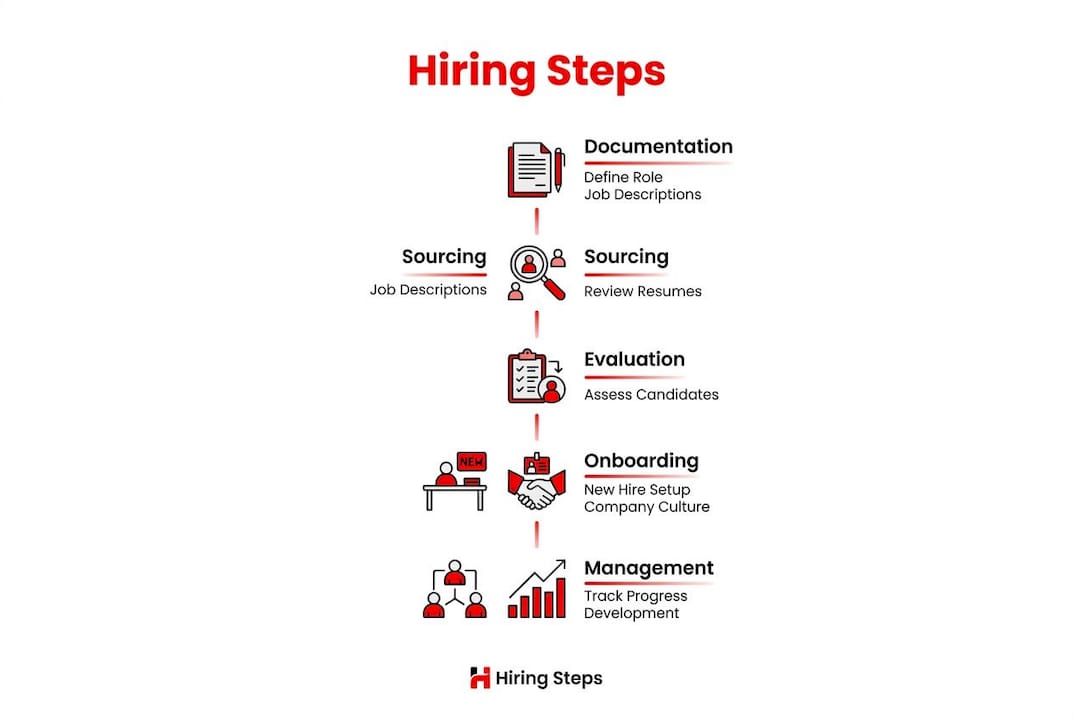
Roof asset management software helps property managers move from reactive to proactive maintenance by centralizing roof history, warranties, and repair costs. When you know the condition rating and remaining warranty life of every roof in your portfolio, you can plan capital projects months in advance instead of responding to emergency leaks. This shift alone reduces emergency repair costs significantly.
Proactive management practices that consistently improve outcomes include:
- Maintain a subcontractor scorecard. After each project, score the subcontractor on your four KPIs. Update the scorecard before the next assignment. This creates accountability without confrontation.
- Conduct post-project inspections. Walk the roof with a checklist before releasing final payment. Identify deficiencies while the crew is still mobilized and corrections are straightforward.
- Establish a clear escalation path. Define in writing who the subcontractor contacts for scope questions, who approves change orders, and who handles disputes. Ambiguity in communication creates delays and cost overruns.
- Leverage certified contractor programs. Certified contractor status reduces callbacks, unlocks exclusive manufacturer warranties, and gives you pricing leverage on materials. Subcontractors enrolled in programs like GAF Master Elite bring warranty options that unaffiliated crews cannot offer.
- Audit COIs at the start of every project. Treating insurance compliance as an ongoing process rather than a one-time document check prevents the liability gaps that create the most expensive surprises in property management roofing.
Pro Tip: Centralizing roof portfolio data including condition ratings and warranty information lets you prioritize which roofs need subcontractor attention this budget cycle versus next year. This is the difference between planned capital spending and emergency spending.
Key takeaways
Successful property management roofing requires verified insurance, structured contracts, trusted sourcing channels, and ongoing performance tracking to control costs and prevent liability.
| Point | Details |
|---|---|
| Insurance compliance is ongoing | Collect fresh COIs with correct endorsements for every project, not just annually. |
| Source through industry networks | Supply houses, manufacturer reps, and trade associations produce more qualified candidates than general job boards. |
| Contracts define project success | Subcontract agreements must cover scope, pricing, warranties, change orders, and insurance requirements in writing. |
| Track four performance KPIs | Show-up rate, punch rate, callback rate, and inspection pass rate reveal true subcontractor quality. |
| Proactive asset management saves money | Centralizing roof data and condition ratings shifts spending from emergency repairs to planned capital projects. |
Why insurance compliance is the part most property managers underestimate
I have reviewed enough subcontractor files over the years to say with confidence that the COI is where most property management roofing relationships break down. Not the contract, not the bid, not the scope. The insurance certificate.
Property managers often treat the COI as a box to check at onboarding. They collect it once, file it, and move on. Then six months later a claim arises, and they discover the additional insured endorsement was missing or the policy was cancelled 90 days after they received the certificate. At that point, the liability exposure lands on the property owner.
The subcontractors who cause the least trouble are not always the cheapest or the fastest. They are the ones who understand that their documentation is part of their professionalism. When a crew hands you a complete, correctly endorsed COI without being asked twice, that tells you something about how they run their jobs.
I also think the industry undervalues long-term subcontractor relationships. Building a roster of three or four reliable crews you return to consistently produces better outcomes than constantly sourcing new subcontractors for every project. Familiarity with your standards, your properties, and your expectations reduces the time you spend managing and increases the quality you receive. The best roofing contractor for properties is often the one you have already worked with successfully, not the one with the lowest bid on a new job.
Proactive roof asset management is the other piece that transforms how property managers budget. When you know what every roof in your portfolio looks like today, you stop reacting and start planning. That shift is worth more than any single subcontractor negotiation.
— Jake
How Roofing & Exterior PROS supports property managers
Property managers in the St. Louis area trust Roofing & Exterior PROS for commercial roofing projects that require consistent quality, proper documentation, and clear communication from start to finish.

We bring the same structured approach to every project, from verifying insurance and scopes of work to delivering post-project inspections and warranty documentation. Our commercial roofing solutions are built for property owners and managers who need reliable results across multiple buildings. Whether you are managing a single commercial property or a larger portfolio, our team is ready to support your roofing needs with the transparency and consistency you deserve. Contact Roofing & Exterior PROS today for a free inspection and quote.
FAQ
What documents are required to hire a roofing subcontractor?
At minimum, you need a COI with additional insured and waiver of subrogation endorsements, a verified state license, a W-9, and references from prior prime contractors. Collect these before signing any subcontract agreement.
How do you verify a roofing subcontractor’s license?
Contact your state’s contractor licensing board directly and search by the subcontractor’s name or license number. Do not rely solely on a copy provided by the subcontractor, as licenses can lapse or be revoked.
What should a roofing subcontractor contract include?
A subcontract agreement for property management roofing should cover the full scope of work, unit or lump-sum pricing, warranty terms, change order procedures, and explicit insurance requirements. Missing any of these creates disputes and cost overruns.
How often should you collect a new COI from a roofing subcontractor?
Collect a fresh COI at the start of every new project and set reminders 60 days before each policy expiration date. Policies can be cancelled between annual renewals, so a single annual collection is not sufficient.
What performance metrics matter most for roofing subcontractors?
The four most useful KPIs are show-up rate, punch rate, callback rate, and inspection pass rate. These operational metrics, sourced from prime contractor references, reveal actual job performance far better than customer reviews.